
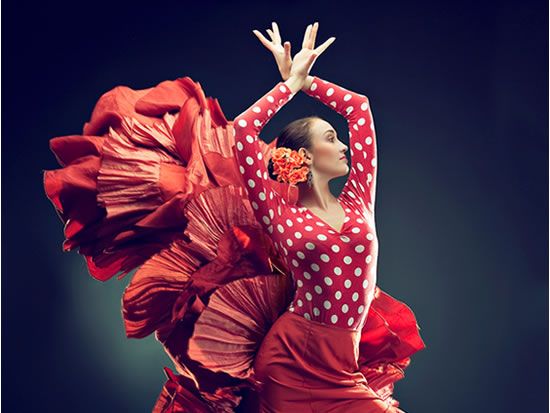
Last night, I had the extraordinary privilege of attending a Flamenco performance alongside my dear friend Sheila. The experience was nothing short of mesmerizing. As the dancers took to the stage, their movements exuded an unparalleled sense of grace and passion, while the haunting melodies of the music filled the air, enveloping us in a whirlwind of emotions. The synergy between the dancers and sounds seemed almost poetic, each movement and note perfectly synchronized to create an atmosphere of sheer romance and enchantment. It was an evening filled with beauty, rhythm, and an undeniable allure that left an indelible mark on both my heart and soul.
Flamenco in Mexico has a fascinating history that intertwines the cultural heritage of Spain with the rich traditions of Mexico. While Flamenco originated in Spain, it found its way to Mexico through various channels, including Spanish colonization, immigration, and cultural exchange.
During the colonial period, Spanish settlers brought their culture, including music and dance traditions, to Mexico. Flamenco likely made its way to Mexico through these early Spanish influences. In the late 19th and early 20th centuries, significant waves of Spanish immigrants arrived in Mexico, particularly from Andalusia and other regions with strong Flamenco traditions. These immigrants brought Flamenco with them, contributing to its dissemination and integration into Mexican culture.
In Mexico, Flamenco encountered the vibrant local music and dance traditions, resulting in a fusion of styles and influences. This fusion gave rise to unique interpretations of Flamenco, blending elements of Spanish Flamenco with Mexican rhythms, melodies, and dance styles. Over time, Flamenco in Mexico evolved into a distinct variant, maintaining its core Flamenco elements while also incorporating Mexican flair and sensibilities.
Flamenco gained popularity in Mexico, especially in urban centers like Mexico City, where it became an integral part of the cultural landscape. Mexican artists embraced Flamenco, both as performers and enthusiasts, contributing to its dissemination through performances, recordings, and cultural events.
In Mexico, there are institutions dedicated to the preservation and promotion of Flamenco, offering classes, workshops, and performances to students and audiences. Flamenco festivals and events are held throughout Mexico, showcasing the talent of local artists and providing opportunities for cultural exchange and appreciation.
Today, Flamenco continues to thrive in Mexico, with a vibrant community of dancers, musicians, singers, and enthusiasts. Mexican Flamenco artists draw inspiration from both traditional Flamenco and contemporary influences, contributing to the evolution and innovation of the art form. Mexican Flamenco artists also collaborate with their counterparts in Spain and other countries, further enriching the global Flamenco community.
In summary, Flamenco in Mexico represents a fascinating fusion of Spanish and Mexican cultures, resulting in a vibrant and unique expression of this art form. Through immigration, cultural exchange, and artistic creativity, Flamenco has found a home in Mexico, where it continues to captivate audiences and contribute to the cultural tapestry of the country.
 SECOND Wind
Leave a comment